Book Groups and Author Visits

Each week we have a book group on Mondays and Tuesdays. There are two slots: 10 am Tuesday and 7 pm Monday (BST) and you’re very welcome to either, wherever you are in the world and however much you’d like to participate. To sign up get in touch with @RomGothSam on twitter or send an email to sam@romancingthegothic.com

From April, meetings will be held at 7pm on Mondays and then 10am on Tuesdays (all times British time)

SIGN UP for individual author visits here
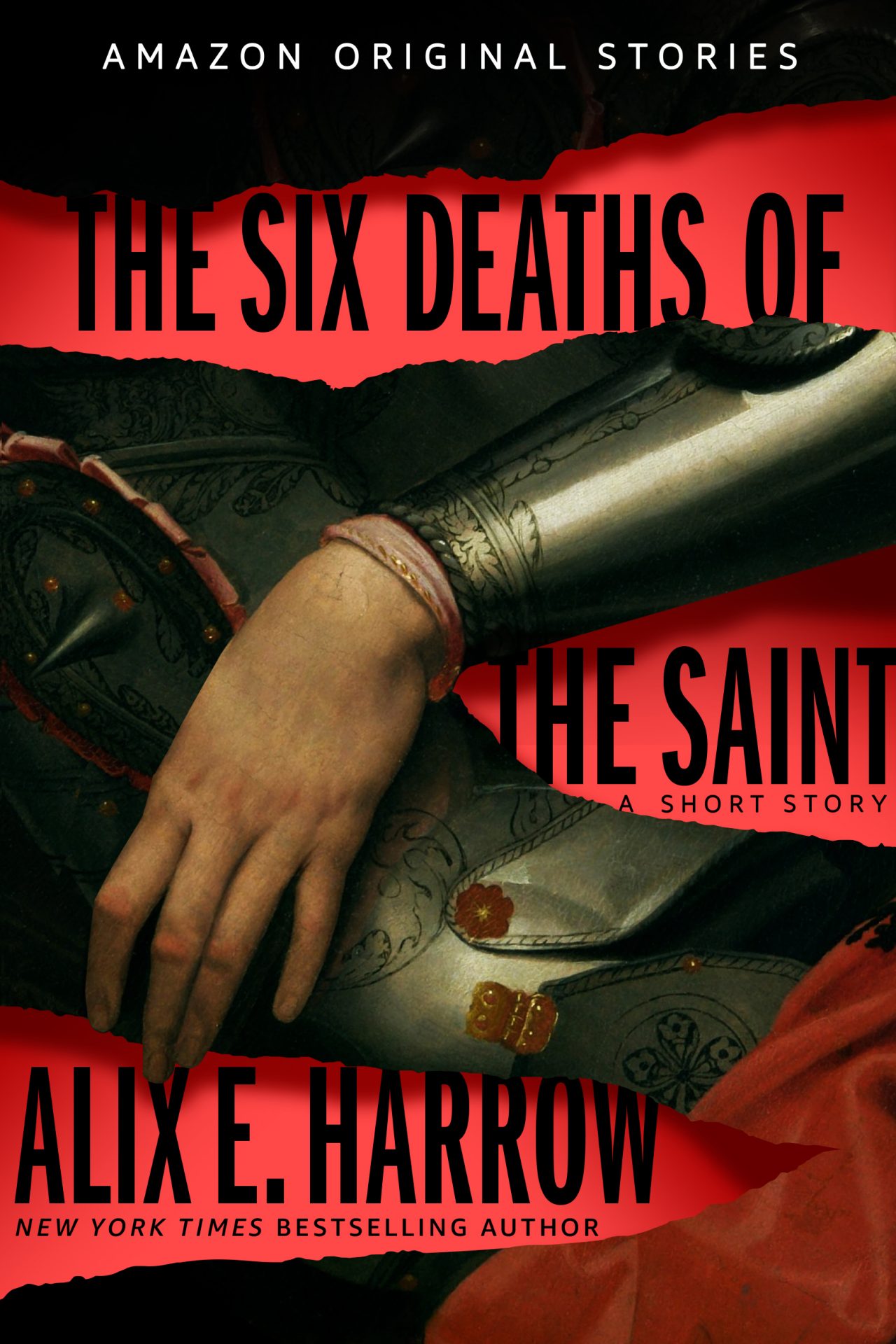
4th/5th May

This month’s theme is supernatural women and we’re starting with something unusual…

For as long as Molly Southbourne can remember, she’s been watching herself die. Whenever she bleeds, another molly is born, identical to her in every way and intent on her destruction.

Molly knows every way to kill herself, but she also knows that as long as she survives she’ll be hunted. No matter how well she follows the rules, eventually the mollys will find her. Can Molly find a way to stop the tide of blood, or will she meet her end at the hand of a girl who looks just like her?

11th/12th May

This week’s book takes us to 19th century Sri Lanka

Being the daughter of the village Capuwa, or demon-priest, Amara is used to keeping mostly to herself. Influenced by the new religious practices brought in by the British Colonizers, the villagers who once respected her father’s craft have turned on the family. Yet, they all still seem to call on him whenever supernatural disturbances arise.

Now someone—or something—is viciously seizing upon men in the jungle. But instead of enlisting Amara’s father’s help, the villages have accused him of carrying out the attacks himself.

As she tries to clear her father’s name, Amara finds herself haunted by dreams that eerily predict the dark forces on her island. And she can’t shake the feeling that it’s all connected to the night she was recovering from a strange illness, and woke up, scared and confused, to hear her mother’s frantic cries: No one can find out what happened.

18th/19th May

This week’s talk will focus on women writing Egyptian horror so I thought we could read some 19th century short stories.

First up, the anonymously authored 1862 tale ‘The Mummy’s Curse’. Read it here

Louisa May Alcott’s ‘Lost in the Pyramid’. Read it here

Eva Henry’s ‘Curse of Vasartas’. Read it here


25th/26th May

We’re thinking about trans horror this week in our talk, with a focus on a video game. I’ve picked up something that ties in a little with the theme with this week’s horror read: Lee Mandelo’s The Woods All Black

Leslie Bruin is assigned to the backwoods township of Spar Creek by the Frontier Nursing Service, under its usual mandate: vaccinate the flock, birth babies, and weather the judgements of churchy locals who look at him and see a failed woman. Forged in the fires of the Western Front and reborn in the cafes of Paris, Leslie believes he can handle whatever is thrown at him—but Spar Creek holds a darkness beyond his nightmares.

Something ugly festers within the local congregation, and its malice has focused on a young person they insist is an unruly tomboy who must be brought to heel. Violence is bubbling when Leslie arrives, ready to spill over, and he’ll have to act fast if he intends to be of use. But the hills enfolding Spar Creek have a mind of their own, and the woods are haunted in ways Leslie does not understand.


1st/2nd June

June is dedicated to women’s work in the Gothic and horror in the 19th century. We’re starting with a talk on the dramatist Joanna Baillie so I thought we’d read possibly her most famous Gothic play – De Montfort.

It’s online here

7th/8th June

Naples, 1840. In the anatomy hall of the Hospital for the Incurables, a young medical student stands over his dead sister’s body and makes a vow. What follows is one of the most gripping novels of the Italian Romantic era: a story of hidden identity, buried crimes, a blind woman of extraordinary perception, and a city where justice moves slowly but with terrible force.

Beatrice Rionero has been blind since childhood, raised by her widowed father in a villa above the Bay of Sorrento. When a mysterious foreign physician arrives — Dr. Oliviero Blackman — he claims to offer her the chance of sight. But Blackman is not what he appears. And neither is anyone else in this labyrinthine story of secrets, vengeance, and redemption.

Francesco Mastriani (1819–1891) was the great chronicler of Neapolitan society — a writer sometimes compared to Dickens and Eugène Sue, whose serialized fiction drew enormous popular audiences while unflinching in its portrait of class, injustice, and the hidden lives of the poor. La Cieca di Sorrento (1852) is his most celebrated novel: a work of Gothic sensation and moral seriousness, set in the streets and drawing rooms, courtrooms and catacombs of nineteenth-century Naples.

This first modern literary English translation, by Idara Crespi, restores the full force of Mastriani’s prose — its declarative rhythms, its operatic emotional peaks, its dark comedy, and its portrait of a blind woman whose inner sight surpasses everyone around her.

.

If you’d like us to read your book or a collection you’ve published, get in touch!